
Understanding Erections After 40
A comprehensive guide to recognizing changes in erectile function and exploring how physical activity supports male sexual health
Erection Quality and Stability
Many men after 40 notice their erections are not as firm or stable as they once were. Understanding what constitutes normal erectile function at this stage of life is the first step toward identifying whether changes are simply age-related or warrant further exploration. Erection quality involves both the initial response and the ability to maintain rigidity throughout intimate moments. This feature explores the spectrum of erectile changes and what factors influence stability and strength throughout different stages of sexual response.
Duration and Endurance
Erection duration becomes a noticeable concern for many men in midlife and beyond. Does your erection last for a shorter time than it used to? This is one of the most common observations men make, and it reflects changes in blood vessel elasticity, hormonal patterns, and neuromuscular coordination. Duration is closely tied to vascular health—the ability of arteries to dilate and maintain pressure. Exploring the physiology of erection maintenance helps clarify why endurance may decline and how consistent physical activity can influence the circulatory mechanisms responsible for sustaining erectile response.
Physical Activity and Circulation
Regular physical exercise is one of the most evidence-supported lifestyle factors affecting erectile function. Movement strengthens the cardiovascular system, improves arterial flexibility, and enhances oxygen delivery to all tissues—including those involved in erectile response. Exercise increases nitric oxide production, a signaling molecule critical for blood vessel dilation. This section details how different types of physical activity—from moderate aerobic work to resistance training and pelvic floor strengthening—contribute to vascular health and erectile capability. The relationship between fitness level and erectile function is direct and measurable.
Psychological and Lifestyle Factors
It is not always just about age—stress, sleep quality, anxiety, and overall psychological wellbeing profoundly influence erectile function. Chronic stress elevates cortisol levels, which can interfere with testosterone production and vascular relaxation. Poor sleep disrupts hormonal balance and impairs the restorative processes necessary for healthy sexual response. Anxiety about sexual performance can create a self-perpetuating cycle. This section examines how stress management, adequate rest, and emotional wellbeing intersect with erectile health, and how lifestyle modifications can address these non-physiological contributors to changes in erection quality and duration.
Nutrition and Vascular Health
Dietary choices directly impact the blood vessels and nerves that support erectile function. Foods rich in antioxidants, healthy fats, and minerals support arterial health and reduce inflammation. Nutrients like arginine, citrulline, zinc, and magnesium play specific roles in nitric oxide synthesis and smooth muscle relaxation—both essential for strong, stable erections. Conversely, diets high in processed foods, trans fats, and refined carbohydrates contribute to arterial stiffness and endothelial dysfunction. Understanding how nutrition fuels the vascular machinery behind erectile response empowers men to make dietary decisions that support sexual health alongside overall wellness.
Tracking Progress and Patterns
Many men benefit from tracking changes in their erectile function to identify patterns and recognize the impact of lifestyle modifications. Keeping informal notes about frequency of morning erections, response to stimulation, erection duration, and how various factors correlate can reveal valuable insights. Has your erection become less stable after periods of high stress? Does it respond better after consistent exercise? Recognizing these patterns helps distinguish between temporary fluctuations and sustained changes, and highlights which lifestyle adjustments have the most noticeable effect on erectile quality and endurance.
The information on this site is for educational purposes only and does not constitute medical advice. Always consult a qualified healthcare professional before making health decisions.
How Exercise Transforms Erectile Function
Physical activity is one of the most researched and evidence-supported interventions for supporting male sexual health and erectile capability
The Vascular Connection
Erectile function depends entirely on the health and responsiveness of blood vessels. When you experience an erection, arteries supplying the penis dilate (widen) to increase blood flow, while veins constrict to trap blood inside the erectile tissue. This intricate vascular ballet requires flexible, well-nourished arteries and sensitive endothelial cells lining the vessel walls. Regular physical activity strengthens this entire system. Aerobic exercise trains the heart to pump more efficiently, improves arterial elasticity, and enhances endothelial function—the health of the inner lining of blood vessels. Over time, consistent movement literally rewires your cardiovascular system to support stronger, more stable erections.
Nitric Oxide: The Molecular Key
At the cellular level, nitric oxide (NO) is the critical signaling molecule that tells blood vessel walls to relax and dilate. During physical activity, endothelial cells sense the increased shear stress from flowing blood and respond by producing more nitric oxide. This process is called endothelial adaptation. Men who exercise regularly have higher baseline nitric oxide availability and better endothelial function. This directly translates to improved erectile response—erections that develop more readily, achieve greater rigidity, and last longer. The more you move, the more nitric oxide your body produces, and the more responsive your erectile system becomes.
Beyond Blood Vessels
Physical activity also influences erectile function through hormonal pathways. Consistent exercise supports healthy testosterone levels, reduces cortisol (stress hormone) that can suppress sexual response, and improves insulin sensitivity—high blood sugar impairs endothelial function and erectile capability. Exercise also improves mood and confidence, reducing performance anxiety and supporting the psychological dimension of sexual function. When you feel stronger, more energetic, and more in control of your body, the mental and emotional aspects of sexual response improve alongside the physiological changes.
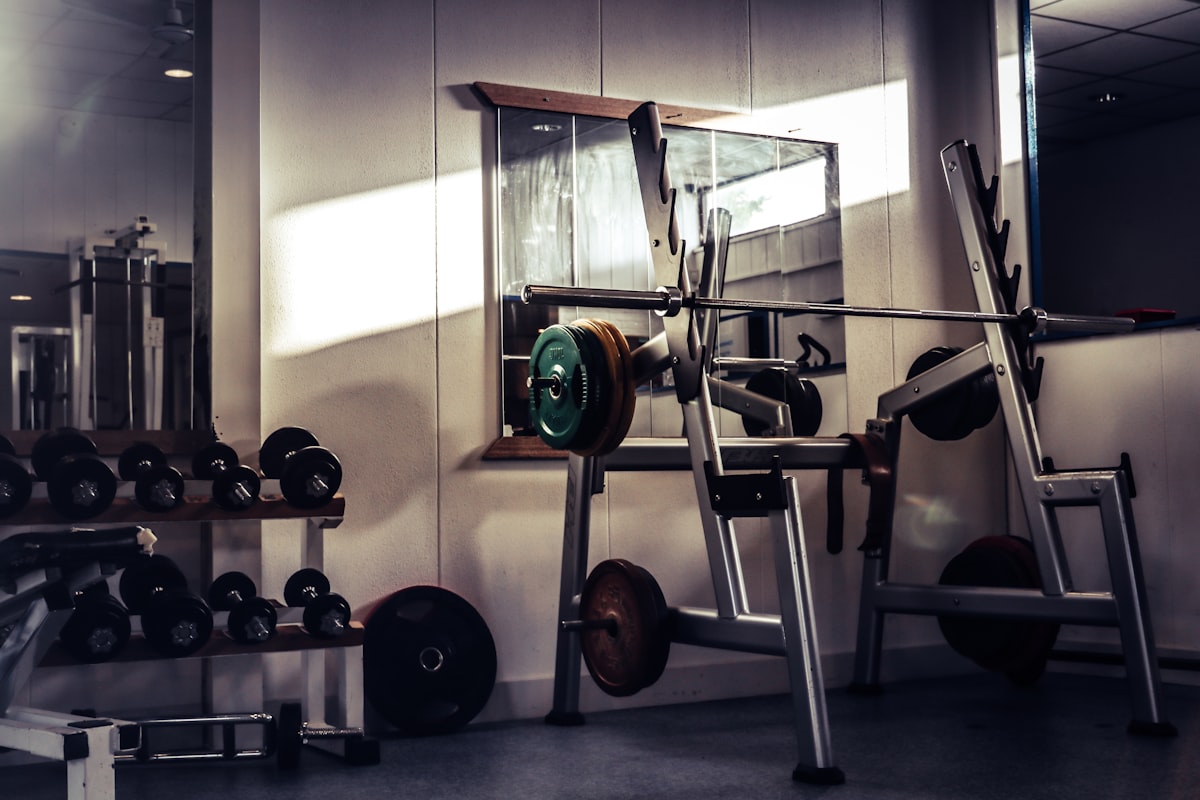
A Practical Framework: Building a Routine That Supports Erectile Health
These are not quick fixes, but evidence-based lifestyle practices that accumulate over weeks and months to support vascular health and erectile function
Establish Baseline Aerobic Fitness
Start with moderate aerobic activity—brisk walking, cycling, swimming, or jogging—for at least 150 minutes per week. This is the foundation for improving cardiovascular fitness and arterial health. Aerobic exercise trains your heart and blood vessels to work more efficiently, directly supporting the vascular mechanisms underlying erectile function. Begin at a comfortable intensity where you can maintain conversation but feel your heart working. Over several weeks, your body adapts: heart rate drops at rest, arteries become more elastic, and nitric oxide production increases. This creates the physiological foundation for improved erectile response.
Add Resistance Training and Pelvic Floor Work
Incorporate resistance training 2-3 times per week, focusing on compound movements that engage large muscle groups. Building lean muscle increases metabolic rate, improves body composition, and boosts testosterone production—all beneficial for erectile function. Equally important are pelvic floor exercises (Kegel exercises). The pelvic floor muscles support erectile rigidity by compressing the veins that carry blood out of the penis. Strengthening these muscles through targeted contractions improves erection quality and control. These exercises require only a few minutes daily and can yield noticeable improvements in erection stability within weeks.
Optimize Sleep, Stress, and Nutrition
Physical activity works synergistically with sleep quality, stress management, and nutrition. Aim for 7-9 hours of consistent sleep—during deep sleep, testosterone rises and restorative processes occur. Manage stress through relaxation techniques, which lower cortisol and support sexual response. Prioritize foods that support vascular health: fatty fish rich in omega-3s, berries high in antioxidants, leafy greens for nitrates, nuts and seeds for arginine and magnesium, and dark chocolate for polyphenols. These lifestyle elements work together: exercise improves sleep quality, reduces stress, and creates an internal environment where good nutrition has maximum impact on erectile function.
Effective Physical Activities for Erectile Health
Different types of movement support various aspects of erectile function—choose activities you enjoy to ensure consistency
Aerobic Activities
- Brisk walking: Easy to sustain, low injury risk, excellent for cardiovascular adaptation
- Cycling: Builds leg strength while protecting joints, improves lower body circulation
- Swimming: Full-body conditioning with minimal joint stress
- Running: High-intensity cardiovascular stimulus when tolerated by joints
150 minutes per week of moderate-intensity aerobic activity provides the foundational vascular stimulus for erectile improvement.
Resistance Training
- Compound movements: Squats, deadlifts, chest presses engage large muscle groups
- Lower body focus: Leg exercises improve blood flow to the pelvic region
- Progressive overload: Gradually increasing weight stimulates muscle growth and testosterone
- Consistency: 2-3 sessions weekly allows adequate recovery and adaptation
Resistance training boosts testosterone, improves body composition, and enhances metabolic health—all supporting erectile function.
Pelvic Floor Strengthening
- Kegel exercises: Contract pelvic floor muscles for 3 seconds, relax for 3 seconds, repeat 10-20 times
- Daily practice: 2-3 sets per day takes only a few minutes and improves control
- Direct support: These muscles compress the veins preventing blood outflow during erection
- Measurable benefit: Many men report improved erection rigidity and control within 4-6 weeks
Pelvic floor muscles are the unsung heroes of erectile rigidity—strengthening them directly improves erection quality.
Flexibility and Mobility Work
- Yoga: Improves flexibility, reduces stress, enhances body awareness
- Stretching routines: Regular stretching prevents muscle tension and improves circulation
- Hip opening poses: Specific positions enhance blood flow to pelvic structures
- Stress reduction: Mindful movement practices lower cortisol and support sexual function
Flexibility work complements more intense exercise and supports the nervous system relaxation necessary for sexual response.
High-Intensity Interval Training
- HIIT workouts: Alternating intense and moderate effort creates powerful vascular stimulus
- Efficient timing: 20-30 minutes delivers cardiovascular benefits comparable to longer steady work
- Metabolic boost: Increases nitric oxide production and improves endothelial function
- Sustainable frequency: 1-2 sessions per week complements aerobic and resistance work
Interval training provides intense vascular stimulus in less time, making it excellent for busy schedules.
Recreational and Social Movement
- Sports and games: Tennis, basketball, hiking provide enjoyable cardiovascular work
- Social connection: Group activities reduce stress and improve motivation for consistency
- Long-term adherence: Activities you enjoy are far more likely to become sustainable habits
- Variety: Different activities prevent boredom and work different movement patterns
The best exercise program is the one you will actually do consistently—find activities that bring you joy.
Erectile Changes Across Different Life Stages
Understanding what is typical at different ages helps distinguish normal aging patterns from changes that may benefit from lifestyle intervention
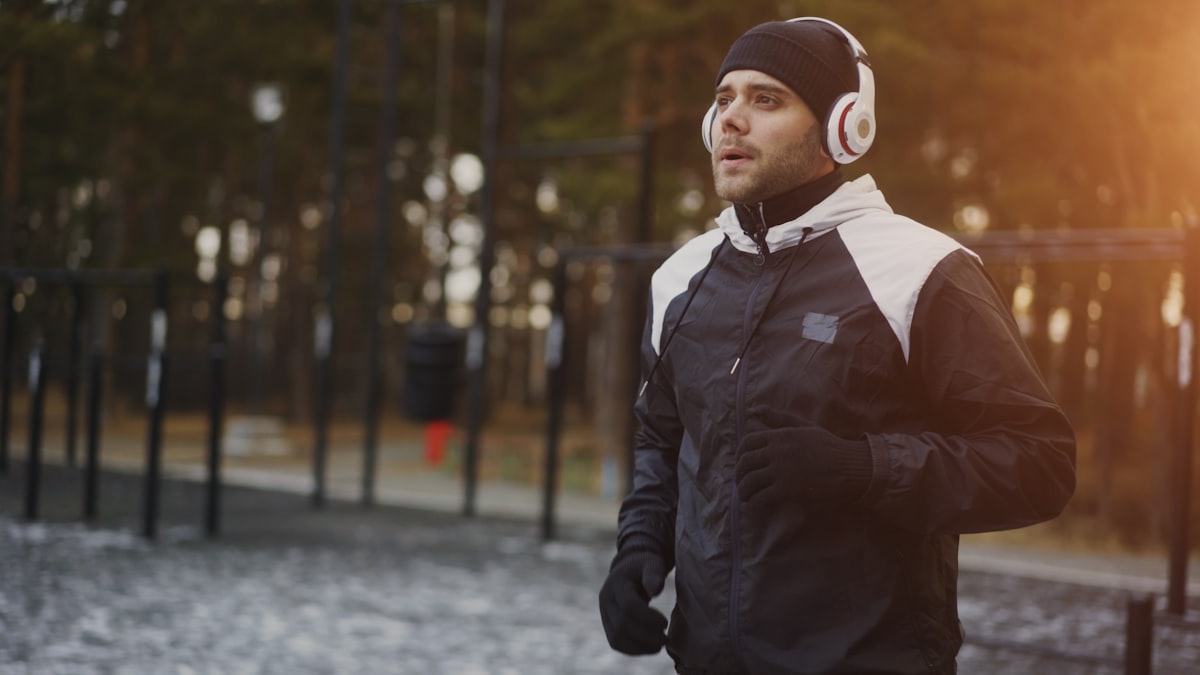
In Your 40s: Recognition and Adaptation
For many men, the 40s mark the first noticeable shift in erectile function. Erections not as strong as before? That is a common observation. This decade often involves slower arousal time, less frequent spontaneous erections, and—for some—shorter erection duration. These changes typically reflect subtle shifts in vascular health, hormonal production beginning to decline, and accumulated lifestyle factors. The good news is that this is precisely when lifestyle interventions have the most pronounced impact. Physical activity started in your 40s can reverse early vascular decline and improve erectile function noticeably.
In Your 45s and Beyond: Consistency Matters Most
By the mid-40s and beyond, erectile changes become more pronounced for many men. Has your erection become less stable? Is it harder to maintain an erection once achieved? These observations are increasingly common but not inevitable. Men who have maintained consistent physical activity, healthy body weight, good sleep, and stress management often experience significantly less erectile decline. Those who have been sedentary or developed metabolic issues face more substantial challenges. This age range requires particular attention to consistency—sporadic exercise provides minimal benefit.
Real Results from Real Men
Thousands of men have transformed their sexual health with Zenithsurge
"After 8 weeks, I noticed a real difference. My confidence is back, and my partner noticed the change immediately. This actually works."
Marcus T., 52
Verified Purchase
"I was skeptical at first, but the science behind it convinced me. Within 6 weeks, performance improved noticeably. Worth every penny."
James R., 48
Verified Purchase
"The combination of ingredients is genuinely effective. My ED issues have improved dramatically. I feel like myself again."
David K., 55
Verified Purchase
Ready to Reclaim Your Sexual Confidence?
Join thousands of men who've restored their performance naturally. With our 90-day guarantee, you have nothing to lose.
100% Safe • No Side Effects • Discreet Shipping • 90-Day Money-Back Guarantee
Frequently Asked Questions
How long does it take to see results?
Most users report noticeable improvements within 4-6 weeks of consistent use. Optimal results typically appear at 8-12 weeks. Individual timelines vary based on age, baseline health, and adherence to recommended dosage.
Are there any side effects?
Zenithsurge uses natural, clinically-studied ingredients with an excellent safety profile. Most users experience no side effects. Some may notice mild initial energy boost due to improved circulation. Always consult your doctor if you take other medications.
What's your guarantee?
We offer a full 90-day money-back guarantee, no questions asked. If you're not completely satisfied with your results, return the unused portion for a complete refund. Your satisfaction is our priority.
Can I take this with other medications?
While Zenithsurge uses natural ingredients, we always recommend consulting with your healthcare provider before starting any new supplement, especially if you take prescription medications or have existing health conditions.
How discreet is shipping?
Your privacy is paramount. All orders ship in unmarked, discreet packaging with no visible labeling. Your order details remain completely confidential.