
Erections Not as Strong as Before?
Many men after 40 experience weaker, less stable erections that don't last as long as they used to. This shift in erectile function is more common than you might think — and understanding what's happening is the first step toward better sexual health.
At Zenithsurge, we share research-backed insights on how physical activity, lifestyle choices, and everyday habits impact male potency and erection quality. Learn what factors matter most and how to support your sexual function naturally.
The information on this site is for educational purposes only and does not constitute medical advice. Always consult a qualified healthcare professional before making health decisions.
Changes in Erections After 40
It's important to recognize that erectile changes are a natural part of aging — but that doesn't mean you can't take meaningful steps to support your sexual function.
Weaker Erections
Many men report that their erections feel less firm or rigid than they were in their 20s and 30s. This gradual decline in erectile rigidity is one of the most common changes observed after age 40.
Shorter Duration
Erections that don't last as long during sexual activity are another common concern. Some men find their erection fades more quickly or requires more stimulation to maintain, affecting overall satisfaction.
Unstable Erections
Inconsistent erections — where firmness fluctuates during sexual activity — become more common. This unpredictability can create anxiety and affect confidence in intimate moments.
Physical Activity & Erectile Function
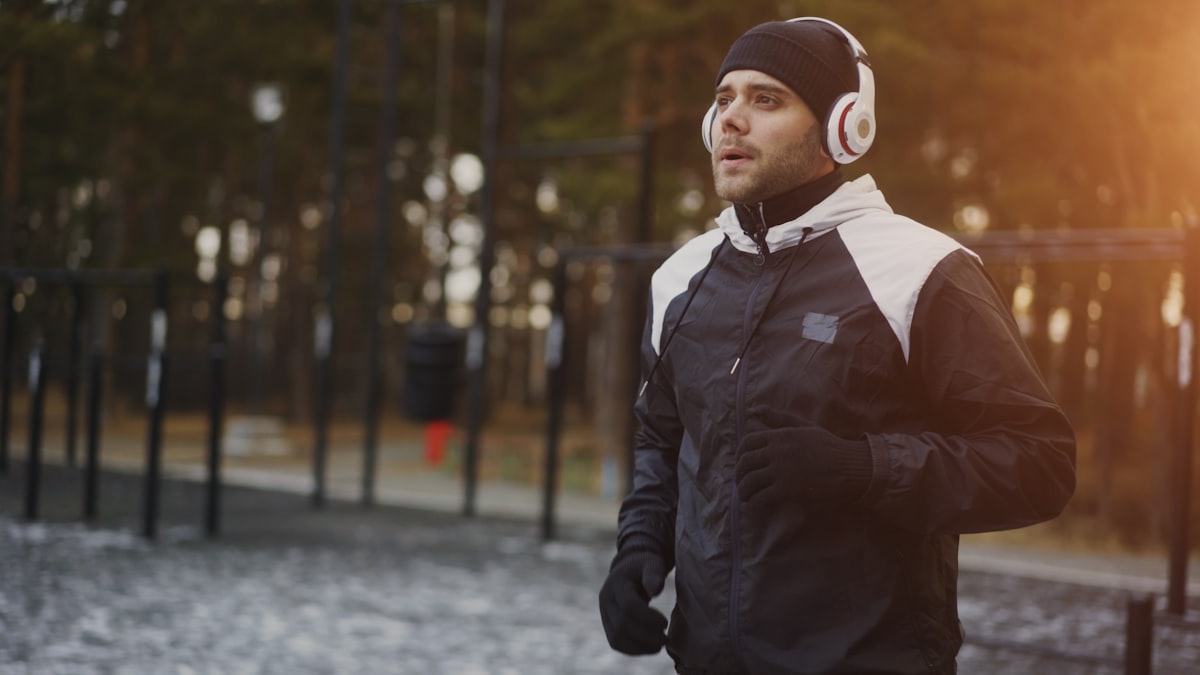
Regular physical activity is one of the most powerful factors supporting erectile function and male sexual health. Exercise improves blood flow, strengthens the cardiovascular system, and supports the vascular health that erections depend on. When blood vessels are healthy and flexible, they can dilate more effectively during sexual arousal, which directly impacts erection quality and stability.
Beyond circulation, physical activity also reduces stress, improves sleep quality, boosts confidence, and supports hormonal balance — all of which contribute to better sexual function. Men who exercise regularly often report improvements in erection firmness, duration, and consistency.
It's not about intensive training or extreme fitness. Even moderate, consistent activity — walking, cycling, swimming, or resistance exercise — can make a measurable difference in how your body functions sexually.
View Exercise GuideWhat Impacts Your Erection Quality?
Erectile function depends on multiple interconnected systems. Understanding these factors helps explain why lifestyle changes can have such a significant impact.
Cardiovascular Health
Blood flow is fundamental to erectile function. A healthy heart and flexible blood vessels ensure adequate circulation to the penis during arousal. Poor cardiovascular health directly correlates with weaker or unstable erections. Exercise strengthens this system.
Stress & Mental State
Chronic stress activates the sympathetic nervous system, which restricts blood vessels and makes erections more difficult. Anxiety about sexual performance creates a self-reinforcing cycle. Physical activity reduces stress hormones and improves mental clarity.
Sleep & Recovery
Deep sleep is when your body repairs tissues, regulates hormones, and restores energy. Poor sleep disrupts testosterone production and impairs sexual function. Regular exercise improves sleep architecture and duration, supporting better erections.
Hormone Levels
Testosterone and other hormones play key roles in sexual desire and erectile function. While testosterone naturally declines with age, exercise helps maintain healthy hormone levels and supports sexual confidence and performance.
Weight & Fitness
Excess weight increases inflammation, reduces blood flow efficiency, and contributes to metabolic dysfunction. Regular physical activity helps maintain a healthy weight and improves the metabolic environment for sexual function.
Nutrition & Habits
What you eat affects blood vessel function, energy levels, and hormonal balance. Smoking and excessive alcohol harm circulation. A balanced diet rich in nutrients that support vascular health directly benefits erectile function.
Exercise Types That Support Erectile Function
Different forms of physical activity offer unique benefits for sexual health. The key is consistency and finding activities you enjoy.
Aerobic Exercise
Running, cycling, swimming, or brisk walking strengthen your heart and improve blood flow throughout your body. Aerobic activity is particularly effective for enhancing cardiovascular function, which directly supports erection quality.
Recommendation: 150+ minutes per week of moderate-intensity activity.
Resistance Training
Strength training with weights or body-weight exercises builds muscle, boosts testosterone production, and improves metabolic health. This type of exercise also enhances confidence and body image.
Recommendation: 2–3 sessions per week targeting major muscle groups.
Flexibility & Core
Yoga, stretching, and core exercises improve flexibility, reduce pelvic tension, and strengthen muscles involved in sexual function. These practices also reduce stress and promote mind-body awareness.
Recommendation: 2–3 sessions per week, 20–30 minutes each.
High-Intensity Training
HIIT workouts deliver cardiovascular benefits in shorter timeframes. Brief bursts of intense effort followed by recovery periods are highly effective for improving blood vessel function and overall fitness.
Recommendation: 1–2 sessions per week, 20–30 minutes including warm-up and cool-down.
Walking & Daily Activity
Regular walking is underrated but highly effective. Even brisk walks of 30 minutes most days improve circulation, reduce inflammation, and support metabolic health without requiring gym equipment.
Recommendation: Daily movement; aim for 10,000+ steps or 30 minutes of walking.
Sports & Recreation
Playing tennis, soccer, basketball, or other sports combines cardiovascular benefits with enjoyment and social connection. Fun activities are more sustainable and reduce the feeling of "working out."
Recommendation: Participate in activities you genuinely enjoy, at least 2–3 times per week.
Nutrition & Lifestyle for Better Erectile Function
Physical activity works best when paired with smart nutrition and lifestyle choices. Your diet directly affects the blood vessels, hormones, and energy systems that support erections. Foods rich in antioxidants, omega-3 fatty acids, and nitrates — like leafy greens, berries, fish, and nuts — improve vascular function.
Equally important: adequate sleep, stress management, limiting alcohol, and avoiding smoking. These factors work together to optimize the physical and psychological conditions for healthy sexual function. Men who prioritize sleep and stress reduction alongside exercise often see faster improvements in erectile stability and confidence.
It's not about perfection or restrictive diets. Small, consistent choices — adding more vegetables, staying hydrated, getting 7–9 hours of sleep, managing daily stress — compound over weeks and months into noticeable improvements in how your body functions sexually.
Learn More About Nutrition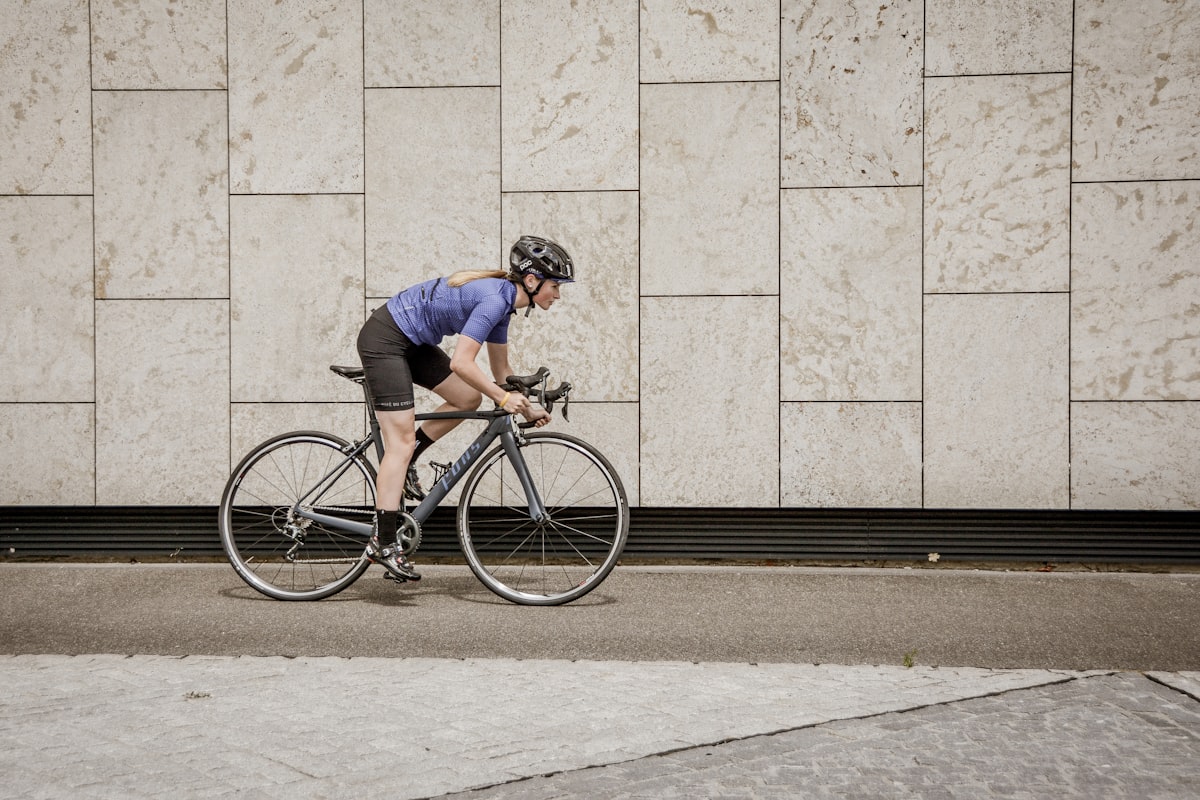
Erections After 40, 45 & Beyond
Age is a factor in erectile function, but it's not destiny. Understanding what changes naturally helps separate normal aging from modifiable lifestyle factors.
After 40
Most men first notice subtle changes: erections may take slightly longer to achieve, feel marginally less rigid, or require more direct stimulation. These are common but not inevitable experiences.
This is an ideal time to establish or strengthen healthy habits. Regular exercise, stress management, and attention to sleep quality can prevent or slow more significant changes and maintain strong sexual function.
After 45
More pronounced changes may emerge: weaker erections, shorter duration, inconsistency, or need for more stimulation. These changes vary greatly between men depending on health, habits, and genetics.
Men who have maintained fitness and healthy lifestyles often experience fewer problems. It's still absolutely possible to support strong erections through targeted lifestyle changes at this stage.
Beyond 45
More consistent erectile challenges are common, but again — not universal. Men who continue exercising, maintain good nutrition, manage stress, and sleep well often sustain satisfactory erectile function well into their 50s, 60s, and beyond.
This stage may also benefit from focused attention to specific erectile support strategies: targeted exercise, particular nutritional approaches, and psychological confidence-building techniques.
Key insight: While age plays a role, the quality of your lifestyle — exercise, sleep, stress management, nutrition, and overall fitness — matters far more than the calendar. Men who prioritize health in their 40s and 50s often maintain significantly better erectile function than sedentary men in their 30s.
What Our Readers Say
Real experiences from men who've taken action based on our research and guidance.
"I was skeptical about how much exercise could actually change things, but after three months of the routine suggested in your articles — combining aerobic work with strength training — my erections felt noticeably firmer and lasted longer. More importantly, I felt confident again. The information on cardiovascular health and blood flow was the missing piece for me."
— Marcus R., Staad SG, Switzerland
"At 48, I thought my best days were behind me. Your breakdown of why erections change with age made so much sense — and showed me that it wasn't inevitable. Starting to walk daily plus some light weight training, and honestly, things have improved. Thank you for evidence-based information instead of false promises."
— Rudi P., Surabaya
"I appreciated how your articles connected everything — sleep, stress, circulation, and fitness. It gave me a complete picture. I focused on getting better sleep and adding 30 minutes of cycling most mornings. After a couple of months, stability improved significantly. This information helped me take control."
— Adi W., Bandung
"I'm 52 and was frustrated with weaker, shorter-lasting erections. Your article on pelvic floor and core strength exercises was eye-opening. Combined with better sleep and reducing stress, I'm pleasantly surprised by the improvement. It's clear that a lot depends on what you do, not just your age."
— Hendra T., Medan
Frequently Asked Questions
Common questions about erectile function, physical activity, and lifestyle support for male sexual health.
Is it normal for erections to weaken after 40?
Changes in erectile function do become more common with age, but they're not inevitable. Many factors play a role: cardiovascular health, stress levels, sleep quality, fitness, and overall lifestyle. While age is a factor, research shows that lifestyle choices often matter more than chronological age alone.
How quickly can exercise improve erection quality?
Some men notice subtle improvements within 2–3 weeks of consistent exercise, though more significant changes typically emerge over 4–12 weeks. The key is consistency. Regular physical activity improves blood flow, cardiovascular function, and confidence — all of which support erectile function.
What type of exercise is best for erectile function?
A combination approach works best: aerobic exercise (running, cycling, swimming) for cardiovascular health, resistance training for strength and testosterone support, and flexibility work for pelvic health. The best exercise is one you'll do consistently. Even moderate activities like brisk walking offer significant benefits.
Can sleep affect my erections?
Absolutely. Sleep is when your body repairs tissues, regulates hormones like testosterone, and restores energy. Poor sleep disrupts these processes and directly impacts sexual function. Most men benefit from 7–9 hours of quality sleep per night. Regular exercise improves sleep quality significantly.
Does stress really impact erections?
Yes. Chronic stress activates your nervous system in a way that constricts blood vessels and makes erections more difficult. Stress also creates anxiety, which compounds the problem. Physical activity is one of the most effective stress-reduction tools, improving both physical and mental aspects of sexual function.
Can diet improve my erection quality?
Diet affects blood vessel health, inflammation, energy levels, and hormones — all of which influence erectile function. Foods rich in antioxidants (berries), omega-3 fats (fish, nuts), and nitrates (leafy greens) support vascular health. Staying hydrated and limiting processed foods helps as well.
Stay Updated on Male Sexual Health
Get new articles, research insights, and practical tips delivered to your inbox weekly. No spam, just evidence-based information for better sexual function.
We respect your privacy. Unsubscribe at any time.
Frequently Asked Questions
Ready to Take Control of Your Sexual Health?
Join thousands of men who've transformed their sexual performance and confidence with Zenithsurge's evidence-based strategies.
100% Private. No Judgment. Science-Based.
Zenithsurge
Evidence-based male sexual health information for confident performance and optimal wellness.
Resources
- Blog & Articles
- Guides
- Research
- Success Stories
Support
Legal
- Privacy Policy
- Terms of Service
- Cookie Policy
- Medical Disclaimer